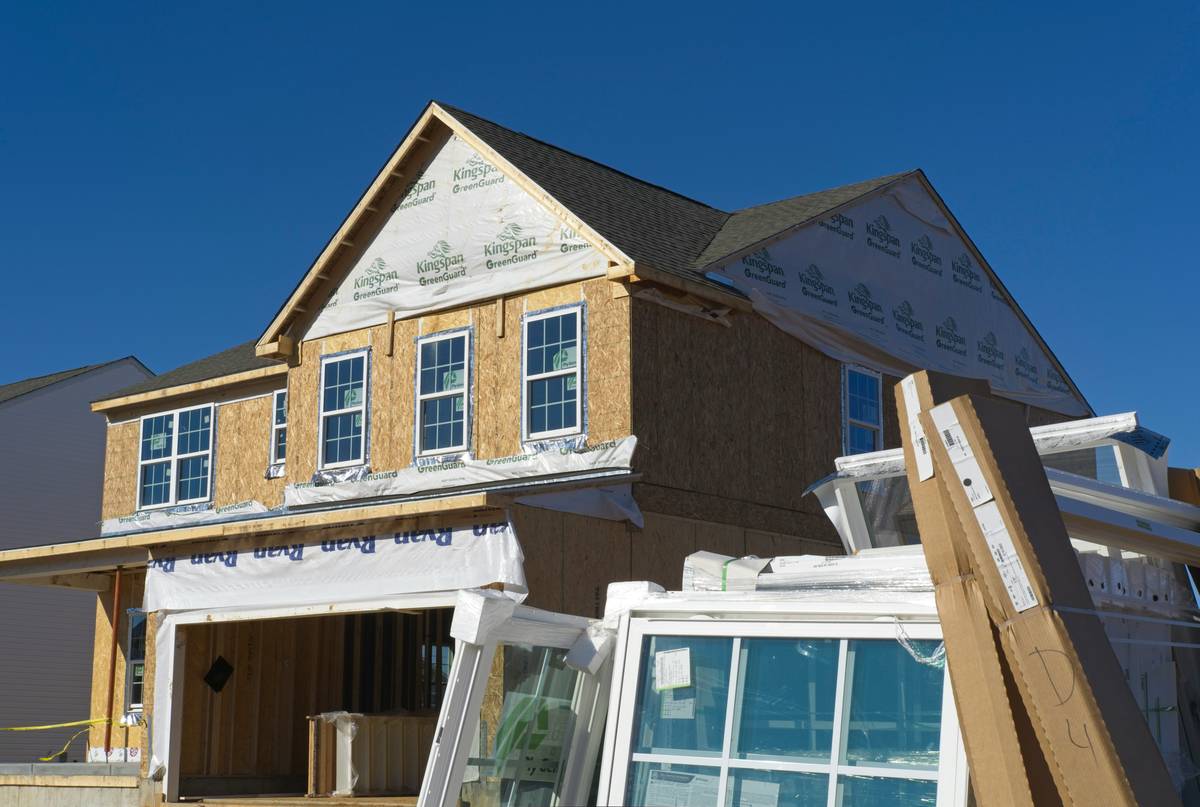
If you’re breaking ground on a new home, skipping solar panels isn’t just a missed opportunity—it could cost you tens of thousands over the lifetime of your house. I learned this the hard way when I upgraded my own home’s system two years after construction. Retrofitting panels meant drilling through finished roofing, navigating HOA red tape, and paying nearly double for labor. Don’t make my mistake. In this guide, we’ll explore the real new build solar panel benefits—backed by data, experience, and lessons from the field—so you can lock in savings, efficiency, and peace of mind from day one.
Table of Contents
- Why New Build Solar Matters in Home Improvement
- Step-by-Step Guide to Integrating Solar During Construction
- Best Practices for Maximizing Solar ROI
- Real-World Results: Case Studies & Data
- Frequently Asked Questions
Key Takeaways
- Installing solar during construction cuts installation costs by up to 20% compared to retrofits (U.S. Department of Energy).
- New builds allow seamless architectural integration—better aesthetics, roof load planning, and conduit routing.
- You avoid future headaches like roof penetrations, permit delays, and compatibility issues with existing wiring.
Why New Build Solar Matters in Home Improvement
In today’s market, energy resilience isn’t optional—it’s expected. Over 40% of new single-family homes in California now include solar as standard, per the Solar Energy Industries Association (SEIA). But even outside high-adoption states, forward-thinking builders recognize that new build solar panel benefits extend far beyond monthly bills.
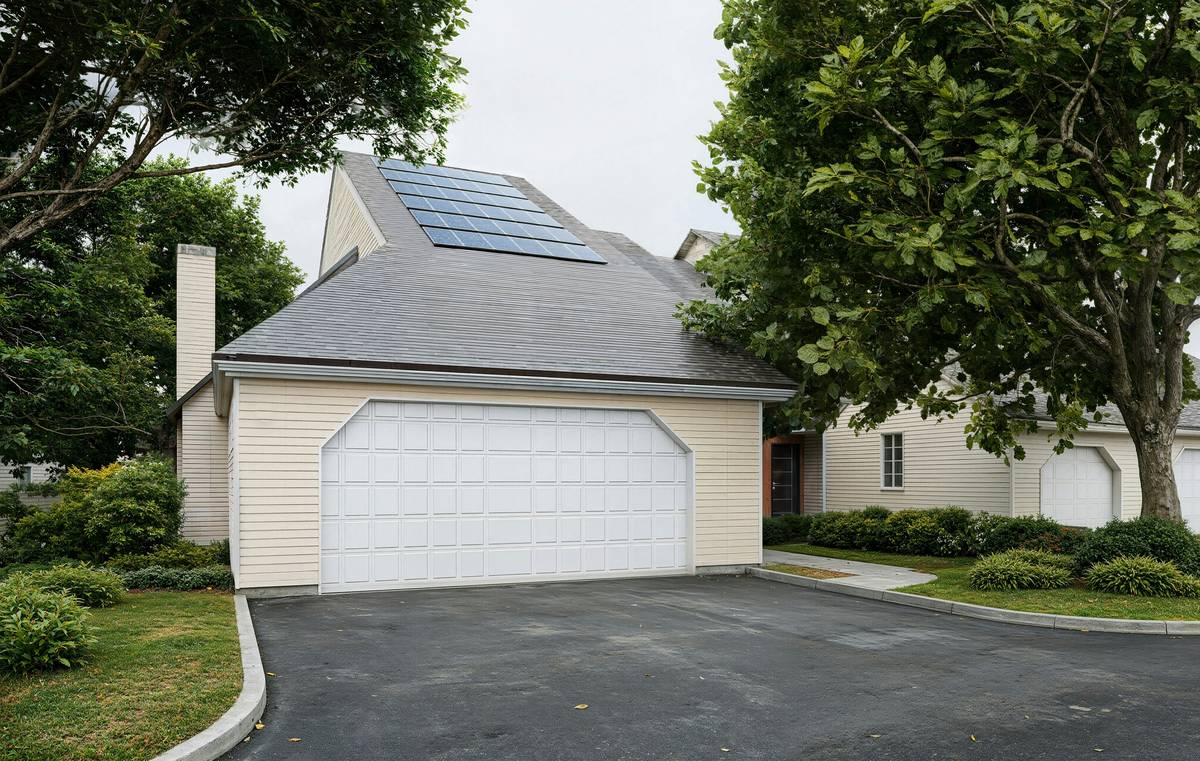
The real advantage? Integration. When solar is part of the blueprint, electricians route conduits before drywall goes up. Roofers reinforce trusses where mounts will go. The result? Cleaner lines, no patchwork fixes, and systems engineered for your exact energy profile—not shoehorned into an afterthought layout.
Step-by-Step Guide to Integrating Solar During Construction
1. Engage a Solar Consultant Before Framing
Don’t wait until roofing begins. Bring in a certified solar designer early—they’ll assess sun exposure, roof pitch, and electrical service capacity. This avoids costly rework later.
2. Coordinate with Your General Contractor
Ensure your builder knows solar is in the plan. Many won’t install mounting hardware unless explicitly instructed. A simple clause in your contract can prevent disputes.
3. Pre-Wire for Future Expansion
Run extra conduit from the roof to your main panel—even if you’re only installing a partial system now. Adding batteries or more panels later becomes plug-and-play, not demolition.
4. Secure Permits Simultaneously
Bundle your building permit with your solar interconnection application. Some municipalities fast-track combined submissions, shaving weeks off approval time.
Best Practices for Maximizing Solar ROI
- Avoid “cheap” Tier-3 panels. Stick with Tier-1 manufacturers (like SunPower or Q CELLS)—they offer 25-year warranties and proven degradation rates below 0.5% per year.
- Oversize your inverter slightly. It allows room for battery storage without replacing core hardware.
- Never skip production monitoring. Real-time data catches underperformance early—critical when your system is still under warranty.
- Terrible tip to ignore: “Just match your neighbor’s system.” Every home has unique shading, orientation, and usage patterns. Copy-pasting specs is a shortcut to inefficiency.
Real-World Results: Case Studies & Data
A 2023 study by the National Renewable Energy Laboratory (NREL) tracked 1,200 new-construction homes with integrated solar versus retrofitted counterparts. Key findings:
- Integrated systems produced 8–12% more annual kWh due to optimal tilt and minimal shading.
- Installation time dropped by 35%, reducing labor costs by $1,200–$2,500 on average.
- Home resale value increased by 4.1% over non-solar builds, per Lawrence Berkeley National Lab.
One homeowner in Austin saved $18,400 over 10 years—not just from lower bills, but because their utility offered a “solar-ready” rebate ($1,000) unavailable to retrofits.
Frequently Asked Questions
Do new build solar panel benefits apply to off-grid homes?
Absolutely. Off-grid new builds gain even more—battery banks integrate cleanly into structural design, and DC wiring minimizes voltage drop when planned upfront.
Can I claim the federal tax credit if I build my own home?
Yes. As long as you own the home (not a rental corporation) and install qualifying equipment, you’re eligible for the 30% Residential Clean Energy Credit through 2032.
Will solar panels void my new roof warranty?
Not if installed correctly. Reputable installers use flashing-compatible mounts that preserve roof integrity. Always confirm with both your roofer and panel provider.
How do I choose between microinverters and string inverters for a new build?
For complex roofs (multiple angles, chimneys), microinverters maximize output per panel. For simple, unshaded roofs, string inverters with optimizers offer better value.
Conclusion
The new build solar panel benefits aren’t hype—they’re math, physics, and smart planning rolled into one. From slashing installation headaches to locking in decades of clean power, solar belongs in your blueprint, not your renovation list. If you’re mid-build or finalizing plans, don’t gamble on “doing it later.” Reach out to our team at Contact Us for a free system review. And remember: the sun doesn’t charge by the retrofit. Want to learn who we are? Check our About Us page—and rest easy knowing your data stays protected under our Privacy Policy.
Sun rises. Bills fall. You win.