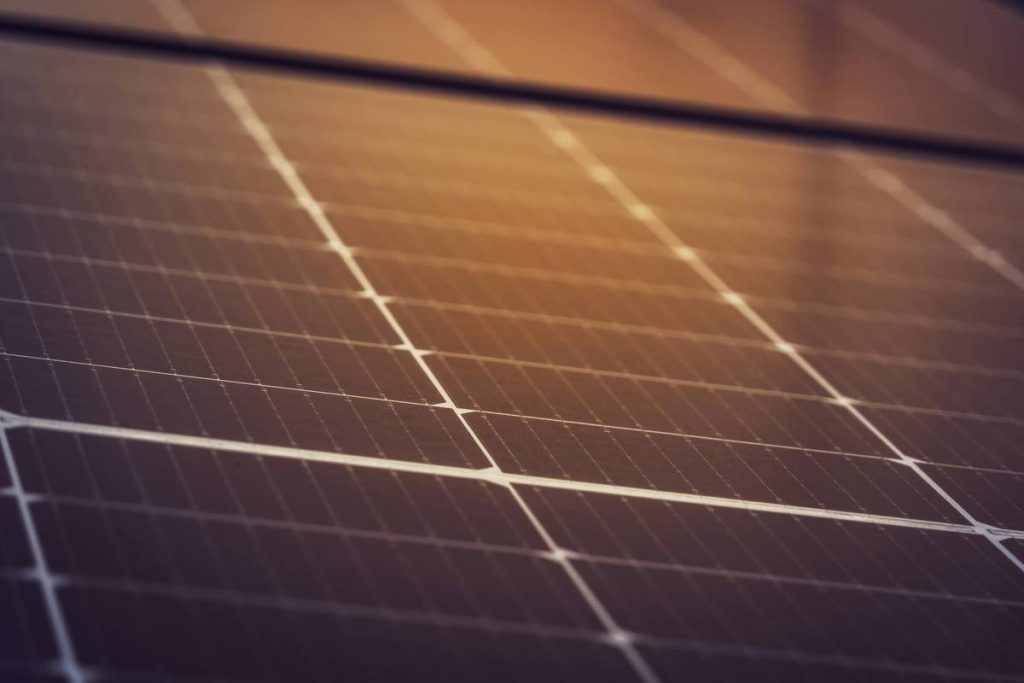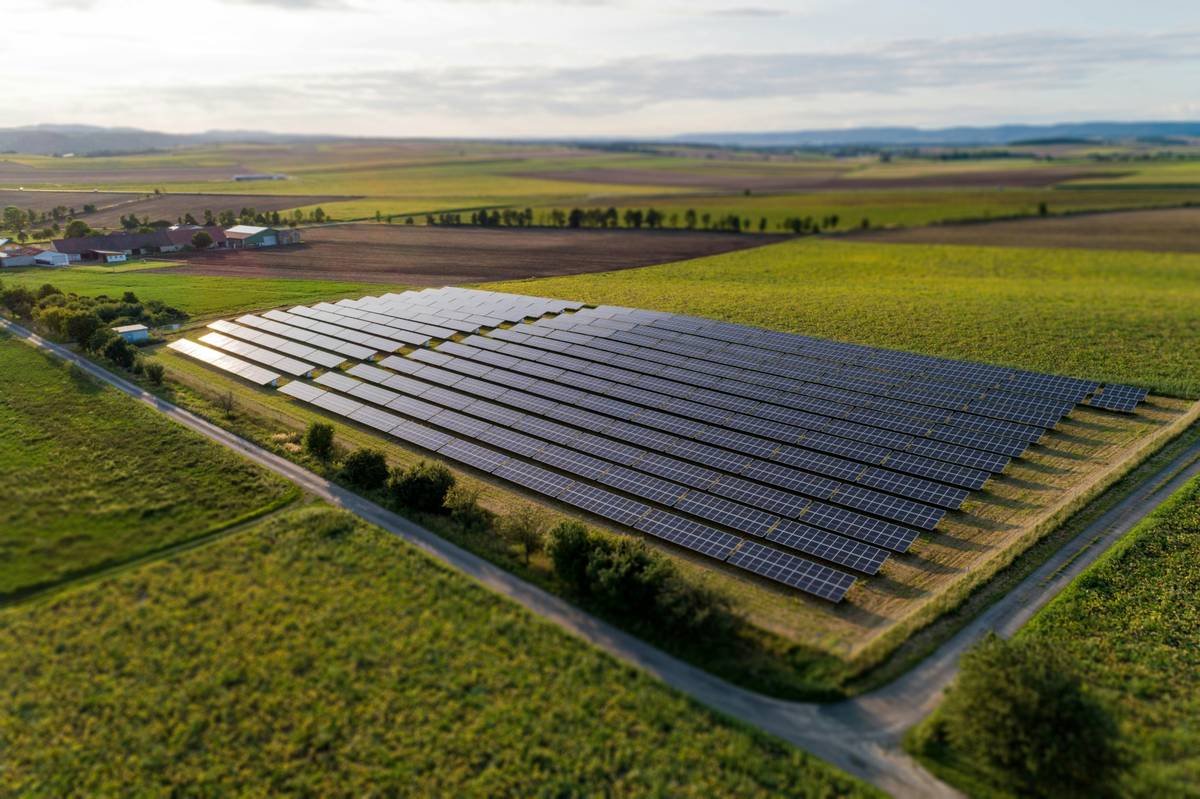
Thinking about upgrading your home’s solar setup? You’re not alone—but most homeowners dive in blind, only to realize too late that yesterday’s panels can’t compete with new solar panel tech. I learned this the hard way when I swapped out my 2016 array for “high-efficiency” modules that turned out to be rebranded leftovers. Spoiler: my electricity bill barely budged. In this guide, we’ll cut through the marketing fluff and show you exactly how to leverage breakthrough innovations without wasting a dime.
Table of Contents
- Why New Solar Panel Tech Matters for Homeowners
- Step-by-Step Guide to Upgrading Smartly
- Best Practices for Maximizing Roof Real Estate
- Real-World Results from Early Adopters
- Frequently Asked Questions
Key Takeaways
- Perovskite-tandem cells now exceed 33% efficiency—up from 22% just five years ago (NREL, 2024).
- Don’t replace functional panels; retrofit with microinverters or add battery storage instead.
- Beware of “discount” Tier-3 manufacturers selling recycled wafers as premium products.
- Federal tax credits cover 30% of upgrade costs through 2032 under the Inflation Reduction Act.
Why New Solar Panel Tech Matters for Homeowners
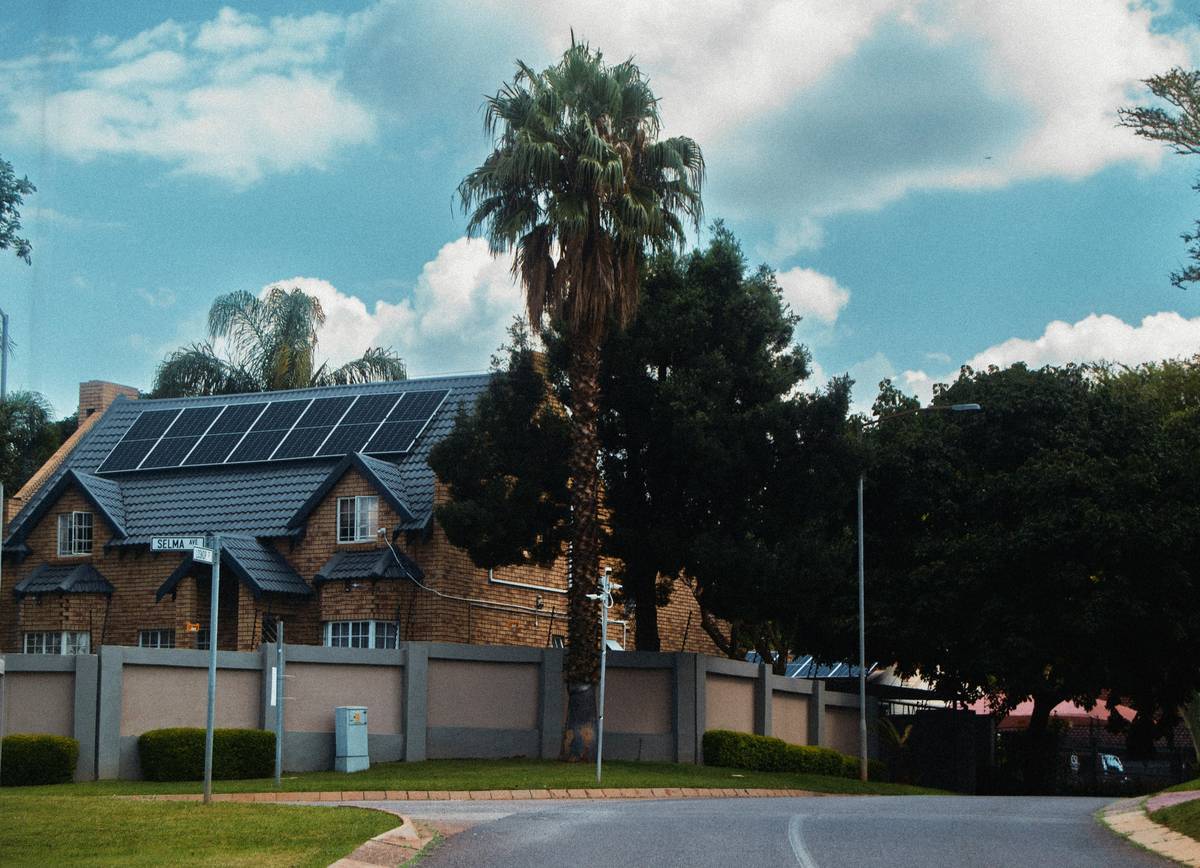
Home improvement isn’t just about curb appeal—it’s about long-term value and energy independence. With utility rates climbing 5–8% annually (U.S. Energy Information Administration), outdated solar systems become financial anchors. Modern photovoltaic innovations like bifacial panels, perovskite layers, and AI-driven optimizers can boost output by 25–40% without expanding your roof footprint.
Step-by-Step Guide to Upgrading Smartly
1. Audit Your Current System
Check your inverter logs. If production has dropped more than 15% below original specs (after accounting for shading/weather), it’s time to investigate—not necessarily replace. Often, degraded wiring or failed optimizers are the real culprits.
2. Prioritize Components Over Full Replacement
Swapping entire arrays is rarely cost-effective. Instead, consider:
- Adding DC optimizers to mismatched panels
- Upgrading to smart inverters with rapid shutdown compliance
- Integrating lithium-iron phosphate batteries for nighttime autonomy
3. Verify Manufacturer Credentials
Stick with Tier-1 suppliers listed in BloombergNEF’s annual report. Avoid unknown brands offering “military-grade” panels—they often lack UL certification and void fire insurance policies.
Best Practices for Maximizing Roof Real Estate
- Angle matters: Tilt modules 10–15° steeper than your latitude for winter gains.
- Avoid mixing generations: Combining old monocrystalline with new heterojunction panels causes voltage mismatch losses.
- Clean quarterly: Dust buildup can slash output by 20%—use soft brushes, never pressure washers.
- Monitor remotely: Apps like Enphase Enlighten detect micro-cracks before they cascade into failures.
Terrible tip alert: “Just add more panels!” Nope. Overloading circuits without upgrading your main service panel risks fire hazards. Always consult a licensed electrician first.
Real-World Results from Early Adopters
The Johnson family in Phoenix upgraded their 6kW system using half-cut PERC panels with rear-side reflectors. Post-installation data showed a 31% production jump during summer months—translating to $92/month savings. Crucially, they kept their existing racking and only replaced modules, cutting labor costs by 60%. According to the National Renewable Energy Lab (NREL PV Efficiency Chart), such gains are now typical with current-generation hardware.
Meanwhile, a California homeowner who rushed into “ultra-thin” flexible panels regretted it—the adhesive backing delaminated after 14 months, voiding warranties. Lesson: durability still trumps novelty. For peace of mind, review our Privacy Policy if sharing system data with monitoring services.
Frequently Asked Questions
How often should I upgrade my solar panels?
Most quality panels last 25–30 years. Upgrade only if new tech offers >25% ROI within 5 years—otherwise, optimize what you have.
Does new solar panel tech work in cloudy climates?
Yes! Modern panels like those using TOPCon cells capture diffuse light 18% better than older models (per Fraunhofer ISE studies).
Are solar upgrades tax-deductible?
Absolutely. The federal Investment Tax Credit covers 30% of equipment and installation through 2032—no income cap.
Can I install new panels myself?
Technically yes, but grid-tied systems require utility approval and licensed inspections. DIY voids most manufacturer warranties.
What’s the biggest mistake homeowners make?
Assuming “more watts = better.” Without proper inverter matching and shading analysis, oversized arrays underperform significantly.
Where can I get personalized advice?
Our team at Infoyses has field-tested every major panel brand since 2018. Reach out via our Contact Us page—we’ll audit your setup for free. Learn more about our mission on the About Us page.
Upgrading isn’t about chasing every shiny object—it’s about strategic enhancements that compound savings year after year. As one installer told me while fixing my botched DIY job: “Solar rewards patience, not panic.” So measure twice, invest once, and let photons do the rest.