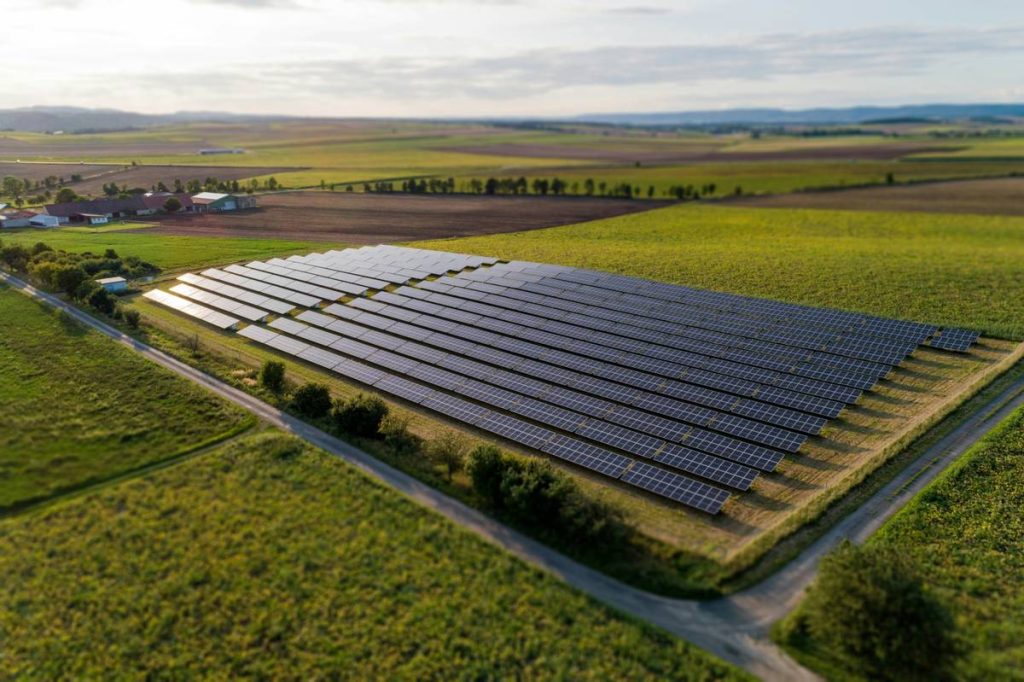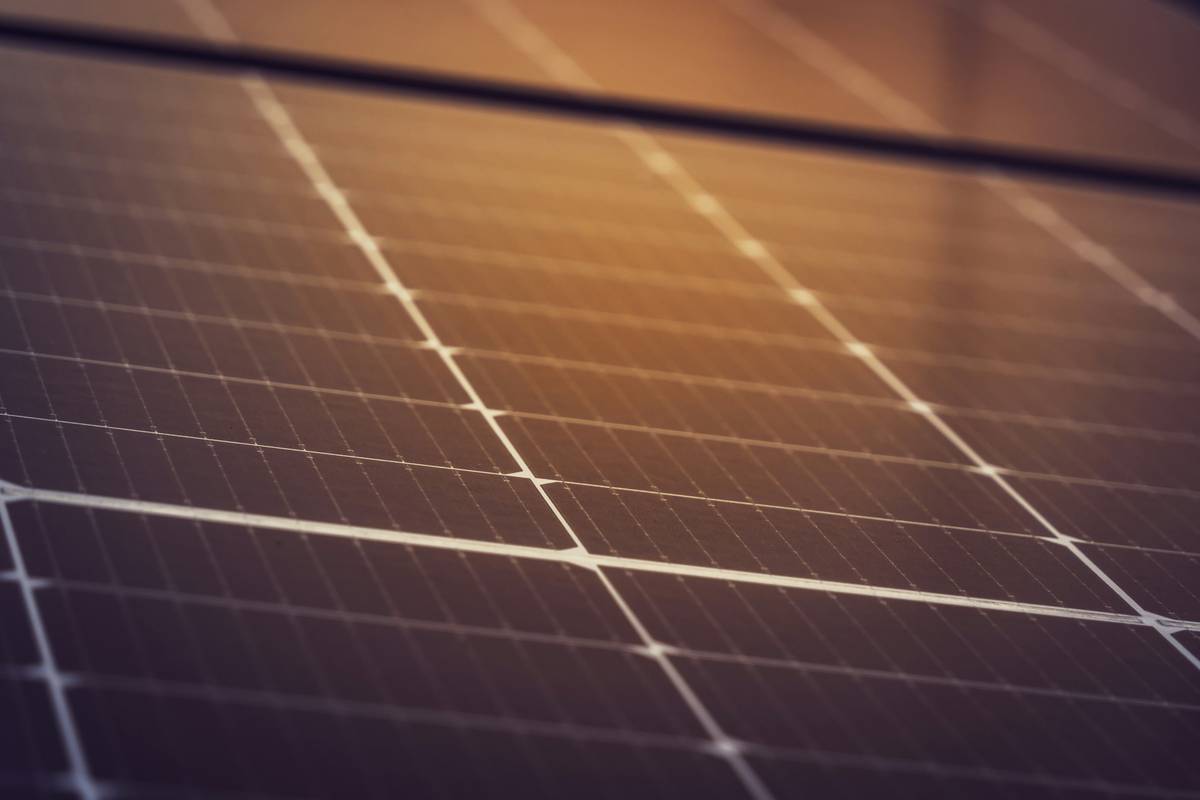
If your solar panels feel like relics from the early 2010s—struggling on cloudy days, hogging roof space, or barely offsetting your electric bill—you’re not alone. Homeowners across the U.S. are realizing that outdated systems leave serious savings on the table. The good news? new solar panel technology has evolved dramatically in just five years, offering higher efficiency, sleeker designs, and smarter integration. In this guide, we’ll walk you through what’s changed, how to upgrade wisely, and which costly errors even savvy DIYers fall for.
Table of Contents
- Why Upgrading Your Solar Panels Actually Matters
- Step-by-Step Guide to a Smart Solar Panel Upgrade
- 5 Best Practices for Maximizing Your New System’s ROI
- Real-World Results: How One Family Cut Bills by 62%
- Frequently Asked Questions
Key Takeaways
- Modern panels now exceed 22% efficiency—up from 15–18% a decade ago.
- Bifacial and perovskite technologies capture more sunlight with less roof space.
- Skipping professional assessment before upgrading can void warranties or cause mismatched performance.
- Timing upgrades around federal tax credits (like the 30% ITC) boosts long-term savings.
- Always verify compatibility with existing inverters and monitoring systems.
Why Upgrading Your Solar Panels Actually Matters
In home improvement, few upgrades deliver both environmental impact and financial return like solar—but only if your system isn’t stuck in the past. Older panels degrade faster, lose output in low light, and lack smart-grid responsiveness. According to the U.S. Department of Energy, panels installed before 2018 typically operate at 12–16% efficiency, while today’s top-tier models hit 22–24%. That’s nearly double the energy per square foot.
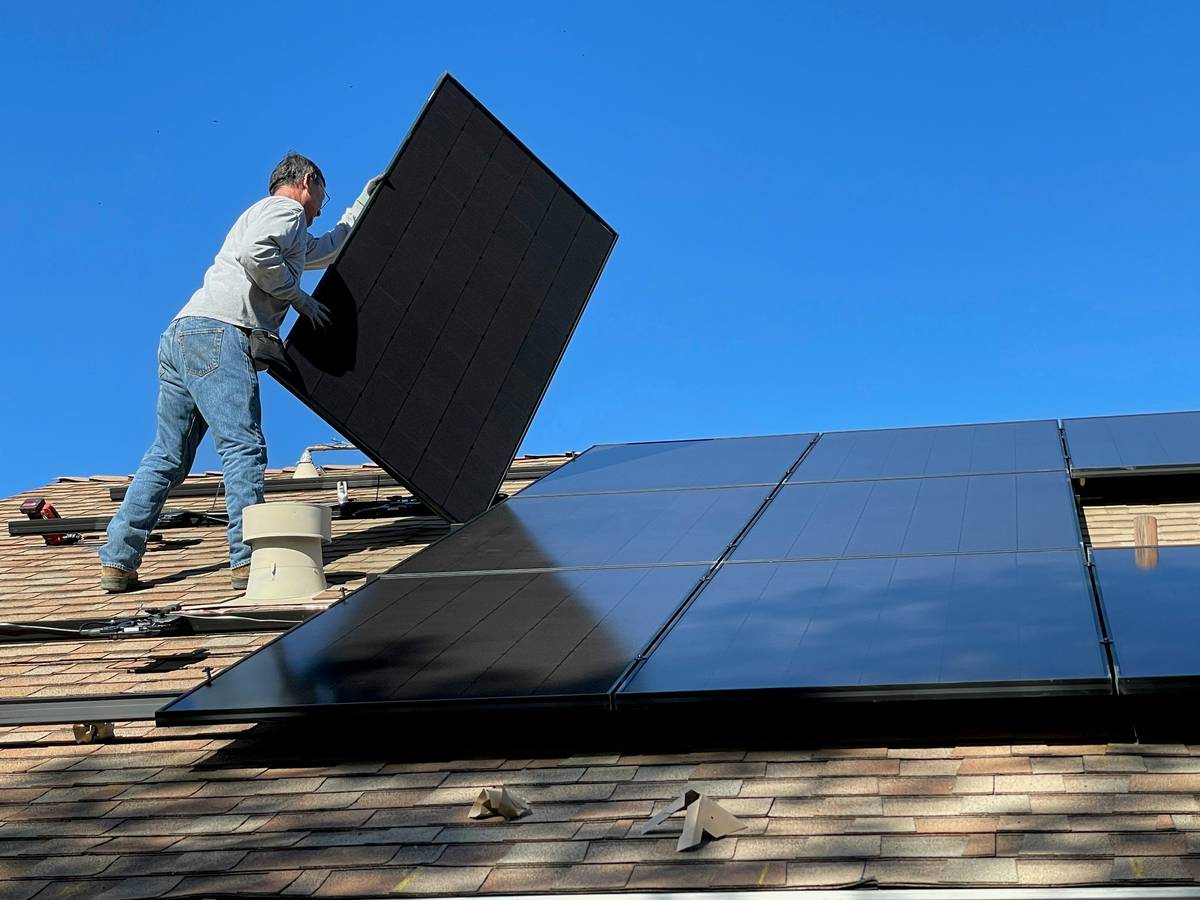
I learned this the hard way. Back in 2020, I added two “budget” panels to my aging array without checking voltage compatibility. Result? My entire system throttled down to match the weakest panel, dropping output by 18%. Lesson burned into my brain: never mix generations without an engineer’s OK.
Step-by-Step Guide to a Smart Solar Panel Upgrade
1. Audit Your Current System
Pull your production reports from the last 12 months. Most monitoring apps (like Enphase or SolarEdge) show daily kWh output. Compare it to your original estimate—if you’re below 85%, degradation or shading may justify an upgrade.
2. Check Compatibility
New solar panel technology often uses different electrical specs. Ensure your inverter supports the new voltage range. Mismatched setups cause clipping or safety shutdowns.
3. Evaluate Roof Space & Orientation
High-efficiency panels (like those using TOPCon cells) generate more power in smaller footprints—ideal if your roof is partially shaded or limited.
4. Time It with Incentives
The federal Investment Tax Credit (ITC) offers 30% back through 2032 (U.S. Department of Energy). Schedule installation before year-end to lock it in.
5. Hire a Certified Installer
Look for NABCEP certification. They’ll handle permitting, utility interconnection, and ensure compliance with local codes—critical for maintaining warranty coverage.
5 Best Practices for Maximizing Your New System’s ROI
- Pair panels with module-level power electronics (MLPEs) like microinverters—they optimize each panel individually, crucial for complex roofs.
- Avoid the “terrible tip” of buying cheap off-brand panels online. Without UL certification or bankability ratings, they may fail within 3 years. Stick to Tier-1 manufacturers listed by BloombergNEF.
- Clean panels quarterly—dust and pollen can cut output by up to 25% (National Renewable Energy Laboratory study).
- Monitor performance via apps that alert you to sudden drops—early detection prevents long-term losses.
- Review your homeowner’s insurance after upgrades; most policies cover newer systems but require documentation (see our Privacy Policy for how we handle your data securely).
Real-World Results: How One Family Cut Bills by 62%
The Martinez family in Phoenix replaced their 2015-era 5kW array with a 6.2kW system using bifacial panels and microinverters. Despite only adding 1.2kW nameplate capacity, their annual production jumped from 7,800 to 12,600 kWh—a 62% increase—thanks to better low-light response and rear-side gain from reflective roofing. Their payback period? Under 5 years with the ITC. This mirrors broader trends: modern new solar panel technology consistently outperforms legacy systems in real-world conditions, not just lab tests.
Frequently Asked Questions
How often should I upgrade my solar panels?
Most quality panels last 25–30 years, but upgrading every 10–15 years makes financial sense if efficiency gains offset costs. Monitor degradation—if output drops below 80% of original, consider replacement.
Can I mix old and new solar panels?
Technically yes, but it’s rarely advisable. Mismatched voltages reduce overall efficiency. If you must, use a separate inverter string for the new panels.
Does new solar panel technology work better in cloudy climates?
Yes. Modern heterojunction (HJT) and perovskite cells maintain higher output under diffuse light—making them ideal for regions like the Pacific Northwest.
Are there hidden costs when upgrading?
Potential costs include inverter replacement, roof reinforcement, or updated wiring. Always get a full quote from a certified installer—transparency matters (learn more about our standards on the About Us page).
Upgrading isn’t just about shiny hardware—it’s about future-proofing your home’s energy independence. If you’re weighing options or confused by specs, skip the guesswork. Contact us for a no-pressure consultation with our renewable energy specialists.